

A few years ago, I lost 33 pounds. Here’s why it lasted.
A few years ago, I lost 33 pounds. But before talking about numbers, we need to talk about life.
Two pregnancies, stress, mental load, emotions managed however we can… and often with food. Fatigue accumulates, the body changes, energy isn’t the same anymore. Life happened to me, simply put. And my body did what it knew how to do best to protect me: it stored.
At the time, I didn’t yet have the words I know today for what I was experiencing. I only knew that I no longer really recognized myself. Not just in the mirror, but in my energy, my digestion, my relationship with food and my body.
I Didn’t Start with a Diet
I never started by eating less. I started by listening more.
Looking back — and thanks to Precision Nutrition and bioresonance — I understand today why this weight loss was possible and above all sustainable: because I changed my bio-terrain before trying to change my weight.
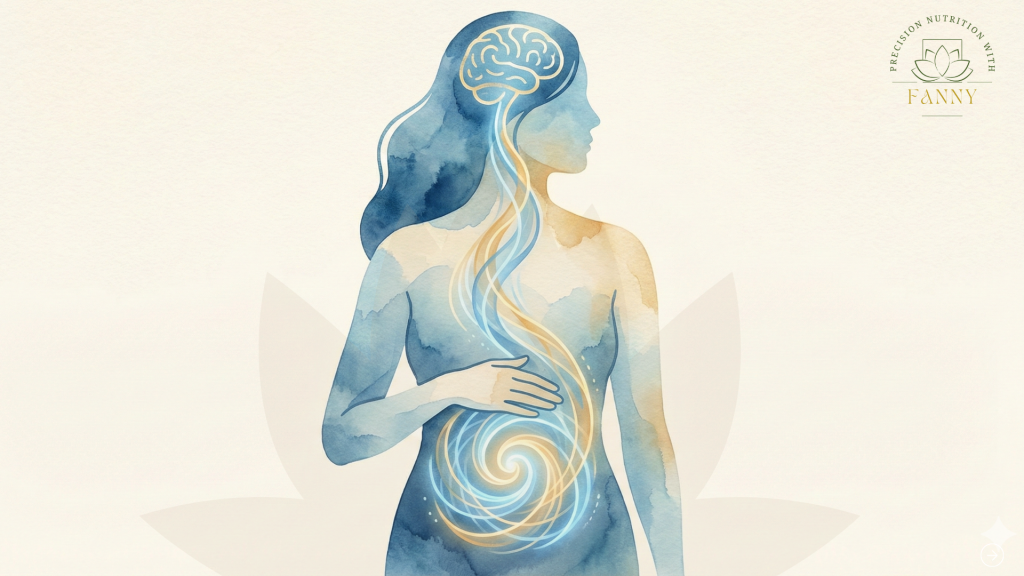
My body was showing clear signs of imbalance: chronic fatigue, abdominal storage, slow digestion, rollercoaster energy. It wasn’t a lack of discipline. It was a metabolism under stress, a tired nervous system, hormones doing their best in a context that no longer allowed them to balance.
When you understand this, you stop fighting against your body. You start working with it.
Understanding Your Bio-Terrain: The Foundation of Lasting Change
Your bio-terrain is the internal environment where all your cells live and function. It includes your pH balance, inflammation levels, oxidative stress, microbiome diversity, mitochondrial health, and detoxification capacity. When your terrain is imbalanced, weight loss becomes nearly impossible regardless of calorie restriction.
Common signs of imbalanced bio-terrain include:
- Chronic fatigue despite adequate sleep
- Stubborn weight concentrated around the midsection
- Slow digestion and bloating
- Food cravings and energy crashes
- Poor stress resilience
- Difficulty building or maintaining muscle
- Brain fog and mood swings
Dieting without addressing terrain simply adds more stress to an already stressed system. This is why calorie restriction alone rarely produces lasting results for women, especially after pregnancy or during hormonal transitions.
Intermittent Fasting: A Tool, Not a Punishment
Intermittent fasting was part of the journey. Not as a rigid rule, but as a soothing framework.
It allowed me to break free from emotional grazing, give my digestive system real rest periods, and gradually improve my insulin sensitivity. But what made all the difference wasn’t the duration of the fast. It was what I did during my eating window.
Nourishing the Body So It Stops Demanding
During this period, I paid particular attention to protein. Not to “get lean” or control my body, but to support it.
Having enough protein at each meal allowed me to preserve my muscle mass, stabilize my energy, and rediscover true satiety. Gone were the constant cravings, energy crashes, and that feeling of never being truly satisfied.
At the same time, I focused on nutrient-dense foods. I understood that reducing calories without nourishing the body only created deficiencies and maintained metabolic stress.
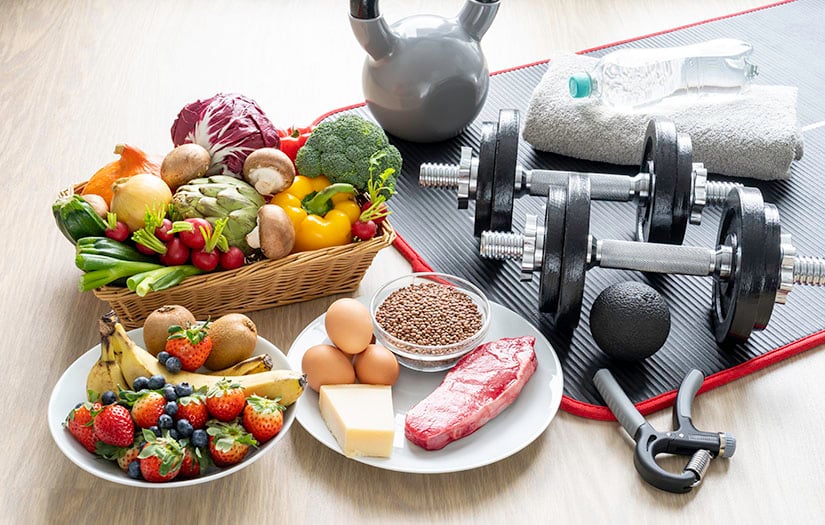
Varied vegetables, healthy fats, fiber, minimally processed foods, essential micronutrients: the more I nourished my body correctly, the more it cooperated. My energy returned, my digestion improved, my mind cleared.
The Protein Priority: Why It Matters for Women
Protein became my metabolic anchor for several reasons:
Muscle Preservation: After two pregnancies, my muscle mass had decreased. Adequate protein (about 0.7-1g per pound of ideal body weight) ensured I lost fat, not muscle. This kept my metabolism strong.
Satiety Signaling: Protein triggers the release of satiety hormones like GLP-1 and PYY, reducing hunger and eliminating the constant food preoccupation that plagued my days.
Metabolic Boost: Protein has the highest thermic effect of all macronutrients, meaning your body burns more calories digesting it. This supported my metabolic rate during weight loss.
Blood Sugar Stability: Starting meals with protein prevented the blood sugar rollercoaster that drove cravings and energy crashes.
Hormonal Support: Protein provides amino acids needed for neurotransmitter production, supporting mood, motivation, and stress resilience during transformation.
Nutrient Density: The Missing Link in Most Weight Loss Approaches
Calorie restriction without nutritional adequacy creates a metabolic trap. Your body detects deficiency and responds by:
- Slowing metabolic rate
- Increasing hunger signals
- Reducing energy output
- Prioritizing survival over fat loss
By focusing on nutrient density instead of calorie counting, I gave my body:
- B vitamins for energy production
- Magnesium for stress response and blood sugar regulation
- Zinc for immune function and thyroid health
- Iron for oxygen transport and energy
- Omega-3s for inflammation reduction and hormone synthesis
- Antioxidants to reduce oxidative stress
- Polyphenols to support metabolic health and microbiome diversity
When nutritional needs are met, the body releases its grip on stored fat. It no longer perceives scarcity.
When the Terrain Balances, Weight Follows
Today, with my understanding of terrain and bioresonance, I know this transformation wasn’t just dietary.
Less inflammation. Better elimination capacity. A more stable nervous system.
When the body exits survival mode, it no longer needs to store. The 33 pounds didn’t disappear because I imposed iron discipline on myself. They left because I stopped forcing.
The Bio-Terrain Shift: What Actually Changed
Reduced Inflammation: By eliminating inflammatory foods and adding anti-inflammatory nutrients, my body could finally hear its own signals again. Chronic inflammation blocks leptin (the satiety hormone), making weight loss nearly impossible.
Improved Detoxification: Supporting my liver and lymphatic system through specific nutrients and hydration allowed my body to release stored toxins, many of which are stored in fat tissue.
Nervous System Regulation: Moving from chronic sympathetic (fight-or-flight) dominance to parasympathetic (rest-and-digest) activation allowed proper digestion, hormone production, and fat metabolism.
Metabolic Flexibility: My body regained the ability to efficiently burn both glucose and fat for fuel, rather than being stuck in sugar-burning mode with constant cravings.
Hormonal Recalibration: As stress decreased and nutrition improved, cortisol normalized, thyroid function optimized, and insulin sensitivity restored. These hormonal shifts made fat loss physiologically possible.
To You, Woman Who’s Still Trying
I see you.
I hear you.
I feel you.
I know those moments of deep doubt, those times when you judge yourself harshly, when you wonder why your body no longer responds, why tomorrow already looks like another day of struggle. I know those mornings when getting up feels heavy, when the idea of “being careful again” seems like yet another torture. I also know that silent loneliness, that feeling of being misunderstood, even when surrounded.
And I know that deep down, all you want is reassurance. To know that you’re not the problem. That you’re neither weak, nor broken, nor incapable. That your body isn’t betraying you — it’s simply trying to speak to you.
I’ve been there. Life happened to me. Pregnancies, stress, responsibilities, emotions we set aside, food sometimes used as refuge. And today, with hindsight, knowledge, and experience, I know one thing with certainty: you don’t heal a body by fighting it. You transform it by listening to it.
What You Actually Need (And It’s Not Another Diet)
You don’t need more control or yet another diet. You need understanding, safety, support that respects your pace, your story, and your terrain. Together, we can identify what’s blocking, what’s exhausting, what’s keeping you in survival mode — and give your body the space to cooperate.
You need:
- Validation that your struggle is real and physiological, not a character flaw
- Understanding of your unique metabolic and hormonal patterns
- Strategy that works with your body’s wisdom, not against it
- Support through the emotional and practical challenges of transformation
- Science applied with compassion and personalized to your life
- Permission to prioritize yourself without guilt
If you recognize yourself in these words, know that you’re not alone.
I’m here. And we’ll find the solution together.
Not to change you. But to help you find yourself again.
Frequently Asked Questions About Sustainable Weight Loss
Why do diets keep failing me? Most diets fail because they focus solely on calorie restriction without addressing the underlying bio-terrain imbalances that prevent weight loss. When your body is under metabolic stress, has hormonal imbalances, chronic inflammation, or nutrient deficiencies, it will resist fat loss regardless of calorie deficit. Sustainable weight loss requires healing the terrain first.
Can I really lose weight without strict dieting? Yes. When you optimize your bio-terrain, support metabolic health, balance hormones, and nourish your body adequately, weight loss happens naturally. The focus shifts from restriction to nourishment, from control to cooperation with your body’s innate intelligence.
Is intermittent fasting right for women? Intermittent fasting can be beneficial for women when implemented thoughtfully, but it’s not appropriate for everyone. Women with hormonal imbalances, high stress, or a history of disordered eating may need to address these issues first. The key is using it as a flexible tool, not a rigid rule, and always prioritizing adequate nutrition during eating windows.
How much protein do I really need? Most women benefit from approximately 0.7-1.0 grams of protein per pound of ideal body weight, distributed across 3-4 meals. This supports muscle preservation, satiety, metabolic rate, and hormonal health. Protein needs increase during weight loss, pregnancy, breastfeeding, and perimenopause.
Why is my weight stuck despite doing everything right? Plateaus often indicate that your body needs a different kind of support. Common culprits include unaddressed stress, insufficient sleep, hidden inflammation, thyroid dysfunction, nutrient deficiencies, or your body simply needing time to recalibrate before continuing to release weight. This is where bio-terrain assessment becomes valuable.
How long will it take to see results? Everyone’s timeline is unique. Many women notice energy improvements within 2-3 weeks, better digestion within a month, and visible physical changes within 6-12 weeks. Sustainable transformation typically unfolds over 6-12 months as your body heals and rebalances. The goal is lasting change, not quick fixes.
What about loose skin after significant weight loss? Gradual weight loss that preserves muscle mass, adequate protein intake, proper hydration, collagen support, and skin-nourishing nutrients can minimize loose skin. The slower the loss and the better the nutritional support, the more time skin has to adapt. Some loose skin may be inevitable with significant loss, and that’s a normal part of major transformation.
Your Transformation Story Can Begin Today
Your body isn’t broken. It’s waiting for the right support to return to its natural state of balance, vitality, and healthy composition.
Ready to write your own transformation story?
Related Services:
- Personalized Nutrition Counseling
- Bio-Terrain Assessment
- Hormonal Health Support
- Mindfulness & Emotional Eating Coaching
Begin Your Journey: Book Free Discovery Call | Take Wellness Assessment
Fanny Rengasamy Marianne | Precision Nutrition Coach & Bioresonance Therapist
Guiding women toward energy, clarity, and vibrant health through an integrative, bio-terrain–centered approach.
Let’s Connect: contact@precisionwithfanny.com | (230) 5935 6195
Related Articles You Might Find Helpful:
- Healing with Intention: Understanding Bio-Terrain Approach
- Listening to Your Digestion: The Key to Sustainable Energy
- Everything is Frequency: How Your Body Communicates Health
Your story matters. Your transformation is possible. And you don’t have to do it alone.