
Digestion isn’t just a mechanical process. It’s a mirror of our physiology, a reflection of our hormonal balance, our microbiome, and our vitality. Bloating, reflux, burning sensations, or digestive discomfort aren’t obstacles to bypass. They are powerful messages, signals inviting us to listen to our body, understand what it’s experiencing, and act with awareness.
The Physiological Angle: Understanding What Your Body Is Telling You
Every digestive discomfort has a reason. It may reveal an imbalance in the microbiome, excess or insufficient stomach acid, slowed metabolism, or a hormonal system demanding attention. The heaviness after meals, reflux, or digestive fatigue translate specific needs. They signal what isn’t yet functioning harmoniously and what the body expects: appropriate foods, balanced combinations, respectful rhythm, and portions aligned with real needs.
The key is to nourish the body with discernment and variety, prioritizing foods that support digestion, enzymes, and the microbiome, and adjusting habits to restore lasting comfort. Each meal then becomes a tool for vitality rather than a source of discomfort.
Common Digestive Signals and What They Mean
Bloating after meals often indicates poor food combinations, eating too quickly, or an imbalanced microbiome struggling to process certain foods. It’s your body asking for slower eating, better chewing, and possibly identifying trigger foods.
Acid reflux and heartburn, particularly in the evening, may signal low stomach acid (counterintuitively), stress affecting digestive function, or eating too close to bedtime. Your body is requesting timing adjustments and stress management.
Post-meal fatigue suggests blood sugar imbalances, heavy meal compositions, or insufficient digestive enzymes. It’s a call to reassess meal timing, portions, and nutrient balance.
Irregular bowel movements reflect hydration levels, fiber intake, microbiome diversity, and stress levels. Your digestive system is signaling the need for lifestyle and dietary adjustments.
The Emotional Angle: Your Gut as a Mirror of Your Inner State
Digestion is intimately linked to our emotional state. Stress, fatigue, accumulated tension, or accelerated life rhythm directly influence digestive functioning. Evening reflux or burning, bloating after rushed meals, or unpredictable cravings often reflect what we’ve normalized or ignored.
Learning to listen to these signals means recognizing that digestion is a reliable indicator of our overall balance. It means slowing down, welcoming our sensations, observing the body’s response to each meal, and creating a rhythm that supports both digestion and emotional well-being. The gut then ceases to be an obstacle and becomes a guide toward greater clarity and energy.
The Gut-Brain Connection
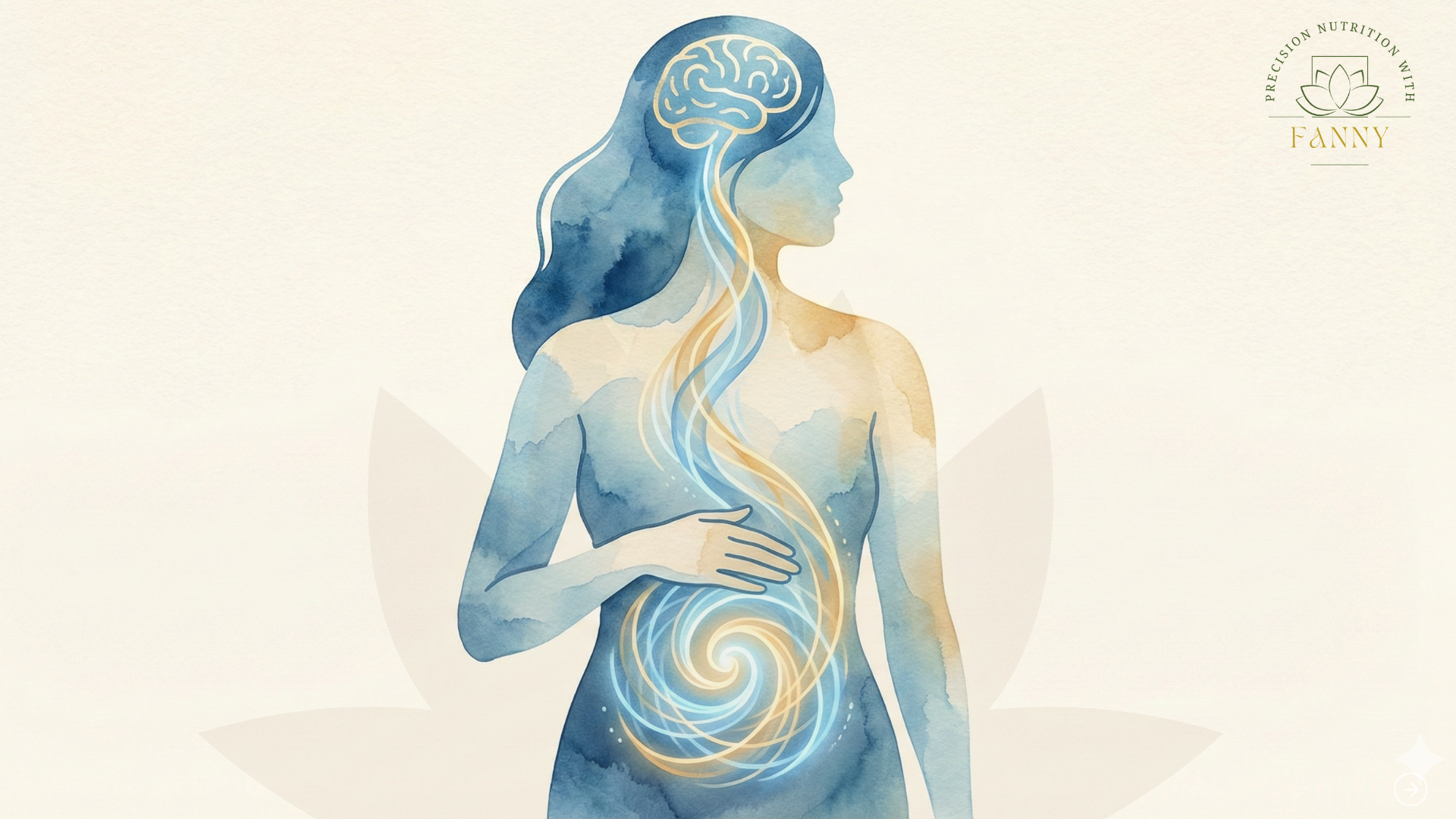
The gut-brain axis is a two-way communication highway. Your digestive system contains more neurotransmitters than your brain, with approximately 95% of serotonin produced in the gut. When stress triggers the fight-or-flight response, digestion slows or stops entirely, redirecting blood flow and energy away from the digestive organs.
This explains why anxiety can cause nausea, why chronic stress leads to digestive issues, and why digestive discomfort can trigger emotional unease. Addressing digestive health means honoring both the physical and emotional aspects of well-being.
The Union of Body and Mind: Acting with Awareness
When physiology and emotion are considered together, every digestive discomfort becomes an opportunity for transformation. What we eat, how we breathe, the rhythm of our daily life directly influence our digestive comfort, energy, and mood. Reclaiming control means transforming digestion into an ally. It’s nourishing the body with intention, listening to its signals, and choosing habits that support our vitality.
Reclaiming Power in Daily Life
Observing hunger and satiety signals, varying foods to nourish the microbiome, respecting physiological needs, and integrating mindfulness into each meal: these are gestures that restore digestive comfort and vitality. Listening to your gut, honoring your digestive and emotional needs, gives you the key to sustainable energy, profound well-being, and a peaceful relationship with your body.
Practical Strategies for Digestive Wellness
1. Practice Mindful Eating
- Eat without distractions (no phones, computers, or TV)
- Chew each bite thoroughly (20-30 times)
- Take 20-30 minutes for meals to allow satiety signals to register
- Notice textures, flavors, and how foods make you feel
2. Support Your Microbiome
- Incorporate fermented foods (sauerkraut, kimchi, kefir, yogurt)
- Eat a variety of colorful vegetables (30+ plant varieties weekly)
- Include prebiotic foods (garlic, onions, asparagus, bananas)
- Limit ultra-processed foods that disrupt bacterial diversity
3. Optimize Meal Timing
- Eat during daylight hours when digestive enzymes are most active
- Allow 3-4 hours between meals for complete digestion
- Finish eating 3 hours before bedtime
- Consider a 12-14 hour overnight fast to support digestive rest
4. Manage Stress for Digestive Health
- Practice deep breathing before meals to activate parasympathetic mode
- Use stress-reduction techniques (meditation, yoga, walking)
- Create calm meal environments
- Address chronic stressors affecting gut function
5. Identify Your Triggers
- Keep a food and symptom journal
- Notice patterns between foods and discomfort
- Eliminate suspected triggers for 3-4 weeks, then reintroduce systematically
- Work with a nutrition professional for personalized guidance
From Discomfort to Empowerment
Digestion isn’t merely a process: it’s a guide, a messenger, and a source of power. By listening to it, every discomfort transforms into an opportunity for strength, and every meal becomes a conscious action to support health and vitality.
When you honor your digestive system’s wisdom, you unlock sustainable energy, mental clarity, emotional balance, and the profound confidence that comes from understanding your body’s language. Your gut becomes not just a digestive organ, but your most trusted advisor on the path to vibrant health.
Frequently Asked Questions About Digestive Health
Why do I feel bloated even when I eat healthy foods? Bloating can occur even with healthy foods if you’re eating too quickly, not chewing thoroughly, combining foods poorly, or consuming foods your microbiome isn’t adapted to process. It may also indicate low stomach acid, insufficient digestive enzymes, or an imbalanced gut microbiome.
Can stress really cause digestive problems? Yes, stress directly impacts digestion through the gut-brain axis. Chronic stress diverts blood flow from digestive organs, reduces enzyme production, alters gut motility, and disrupts the microbiome balance. Managing stress is essential for optimal digestive health.
How long does it take to improve digestive health? Most people notice improvements within 2-4 weeks of implementing dietary and lifestyle changes. However, restoring microbiome diversity and healing gut lining can take 3-6 months. Consistency and personalized approaches yield the best long-term results.
What’s the connection between digestion and energy levels? Poor digestion drains energy through inflammation, nutrient malabsorption, blood sugar imbalances, and the immune response to undigested food particles. When digestion functions optimally, you absorb nutrients efficiently and maintain stable energy throughout the day.
Should I take digestive enzymes or probiotics? These supplements can be helpful, but they work best as part of a comprehensive approach. The foundation is always whole foods, stress management, and mindful eating. A nutrition professional can assess whether specific supplements would benefit your unique situation.
How do I know if I have low stomach acid? Common signs include bloating, belching, heartburn (especially when lying down), undigested food in stools, nutrient deficiencies, and feeling full quickly. Contrary to popular belief, many reflux cases stem from too little stomach acid, not too much.
Take the Next Step Toward Digestive Wellness
Ready to transform your relationship with food and reclaim your vitality? Your digestive system holds the answers to sustainable energy and well-being.
Related Services:
Take the Free Digestive Health Quiz to discover your personalized path to gut wellness: Start Your Assessment
Fanny Rengasamy Marianne | Precision Nutrition Coach & Bioresonance Therapist
Guiding women toward energy, clarity, and vibrant health through an integrative, bio-terrain–centered approach.
Schedule Your Free Wellness Consultation: Book Now